For most New England homes, fiber cement is the more durable, fire-resistant and better-resale choice, and vinyl is the lower-cost, lower-maintenance one. In Remodeling magazine's 2025 Cost vs. Value report, replacing about 1,250 square feet of siding in New England cost $20,678 in fiber cement (144.9% recouped) versus $17,590 in vinyl (92.7%).
How do vinyl and fiber-cement siding compare?
| Feature | Vinyl | Fiber cement |
|---|---|---|
| Cost (New England average, about 1,250 sq ft, 2025) | $17,590 | $20,678 |
| Cost recouped at resale | 92.7% | 144.9% |
| Cold weather | More brittle in deep cold; can crack on impact | Stable in cold; resists impact better |
| Upkeep | No painting; wash occasionally | Needs repainting over time; factory finishes carry their own manufacturer warranty |
| Fire | Softens and melts near high heat, such as a grill | Noncombustible |
| Moisture and rot | Doesn't rot, but water that gets behind it can reach the sheathing | Resists rot; cut edges and clearances must follow the manufacturer's instructions |
| Weight and installation | Light; hung loosely so it can expand and contract | Heavy; more labor, special cutting tools and dust control |
| Looks | Many colors and profiles; seams and trim show up close | Closer to painted wood; can be painted any color |
| Best for | Tighter budgets and owners who never want to paint | Owners staying long-term who want durability and resale value |
Cost rows: New England averages, 2025. © 2025 Zonda Media, a Delaware corporation. Complete data from the Remodeling 2025 Cost vs. Value Report can be downloaded free at www.costvsvalue.com.
When is vinyl the better choice?
When the budget is tight, you want no painting, and the house isn't exposed to frequent impacts. Vinyl was the less expensive job in the 2025 benchmark ($17,590 versus $20,678) and still recouped 92.7% of its cost at resale. Thicker panels and good installation make a visible difference in how flat and straight it looks.
When is fiber cement worth the extra cost?
When you plan to stay, want a look closer to painted wood, or care about fire and impact resistance. In the 2025 data it cost $3,088 more than vinyl for the same job and recouped 144.9% of its cost at resale, against 92.7% for vinyl. Budget for repainting over the years.
Free estimate
Tell us about your project
Free and no-obligation. Prefer to talk? Call (508) 816-2726 (Mon–Sat, 7am–6pm).
- Itemized estimates
- 500+ projects completed
- Insured
How is each material installed correctly?
- Both go over a water-resistive barrier, with flashing at every window, door and roof-to-wall joint. The siding sheds most water; the layers behind it handle the rest.
- Vinyl is hung, not nailed tight: nails go in the center of the slots and stop short of the panel so it can move, with gaps at trim and corners for expansion.
- Fiber cement is fastened as its manufacturer specifies, with clearances from roofs, decks and the ground, and cut edges treated as the instructions require.
- Cutting fiber cement creates silica dust, which OSHA's construction standard for respirable crystalline silica (29 CFR 1926.1153) regulates. Proper methods include fiber-cement shears or saws with dust collection.
What about engineered wood and cedar shingles?
Engineered wood siding is lighter than fiber cement, comes primed or prefinished, and is painted like wood; it needs the manufacturer's clearances and a sound paint finish. Cedar shingles are traditional on older New England houses and look right on them, but they need regular maintenance. Neither is in the Cost vs. Value report, so ask for a separate price.
What does new siding look like on a real project?
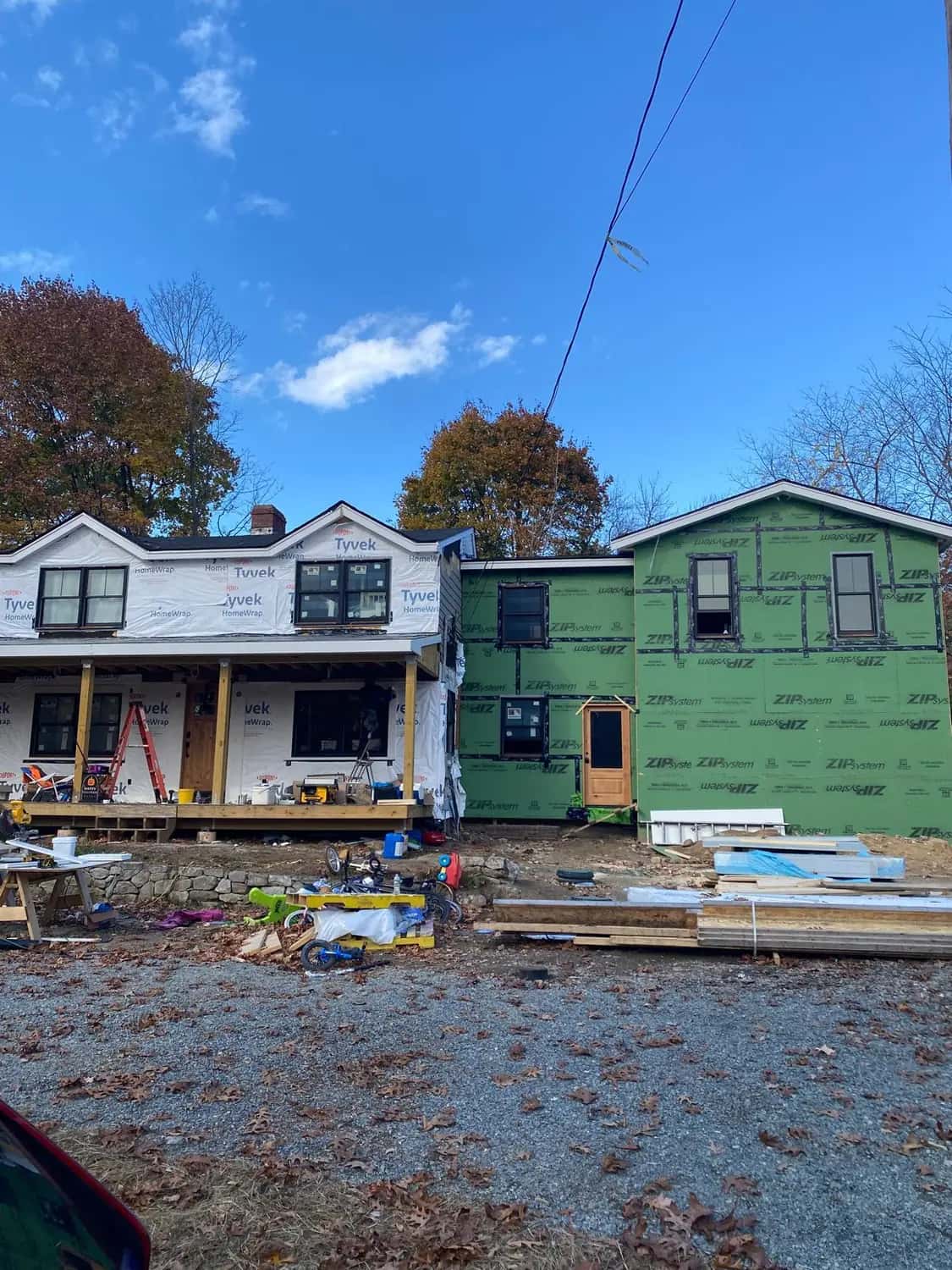
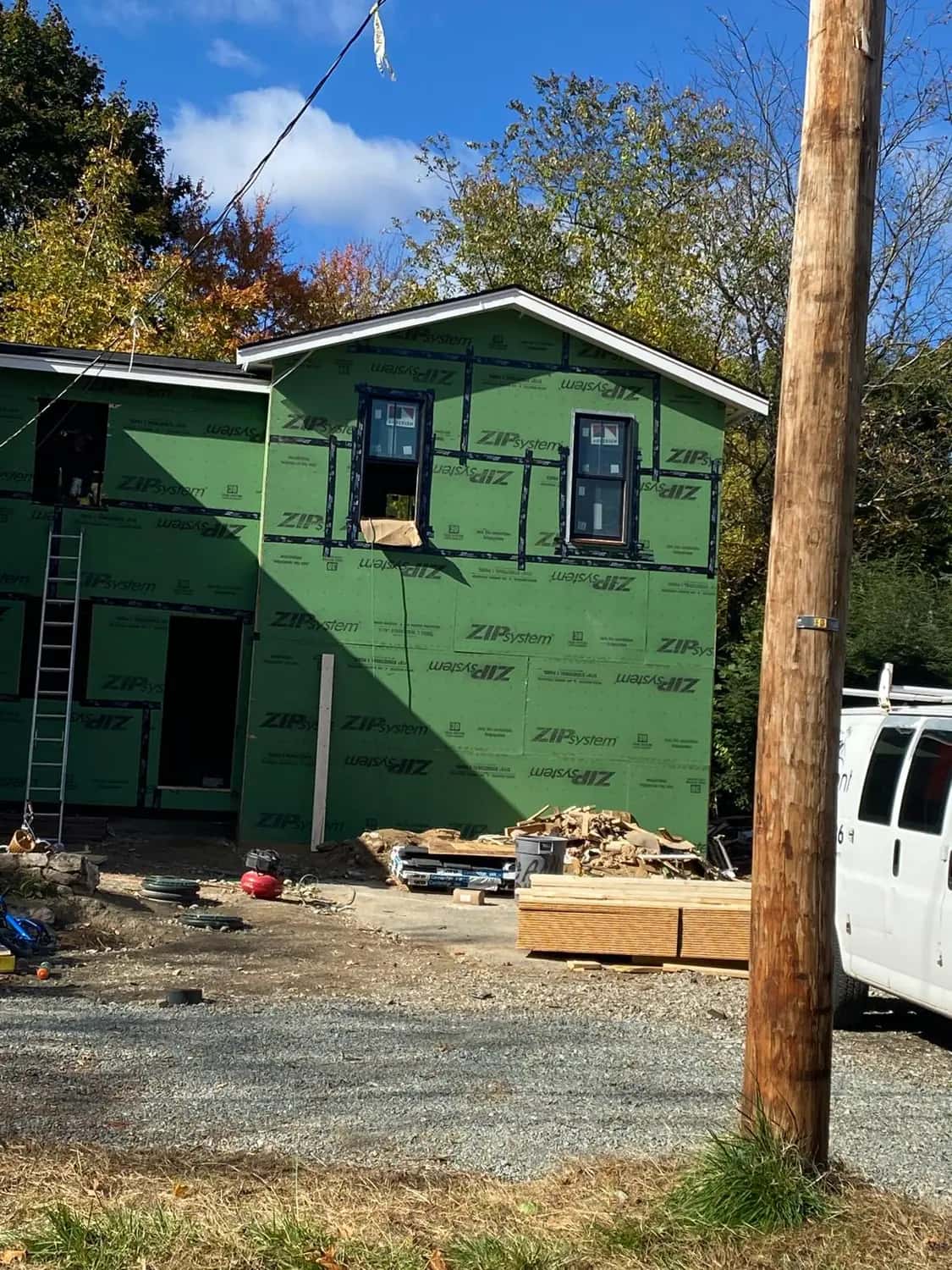
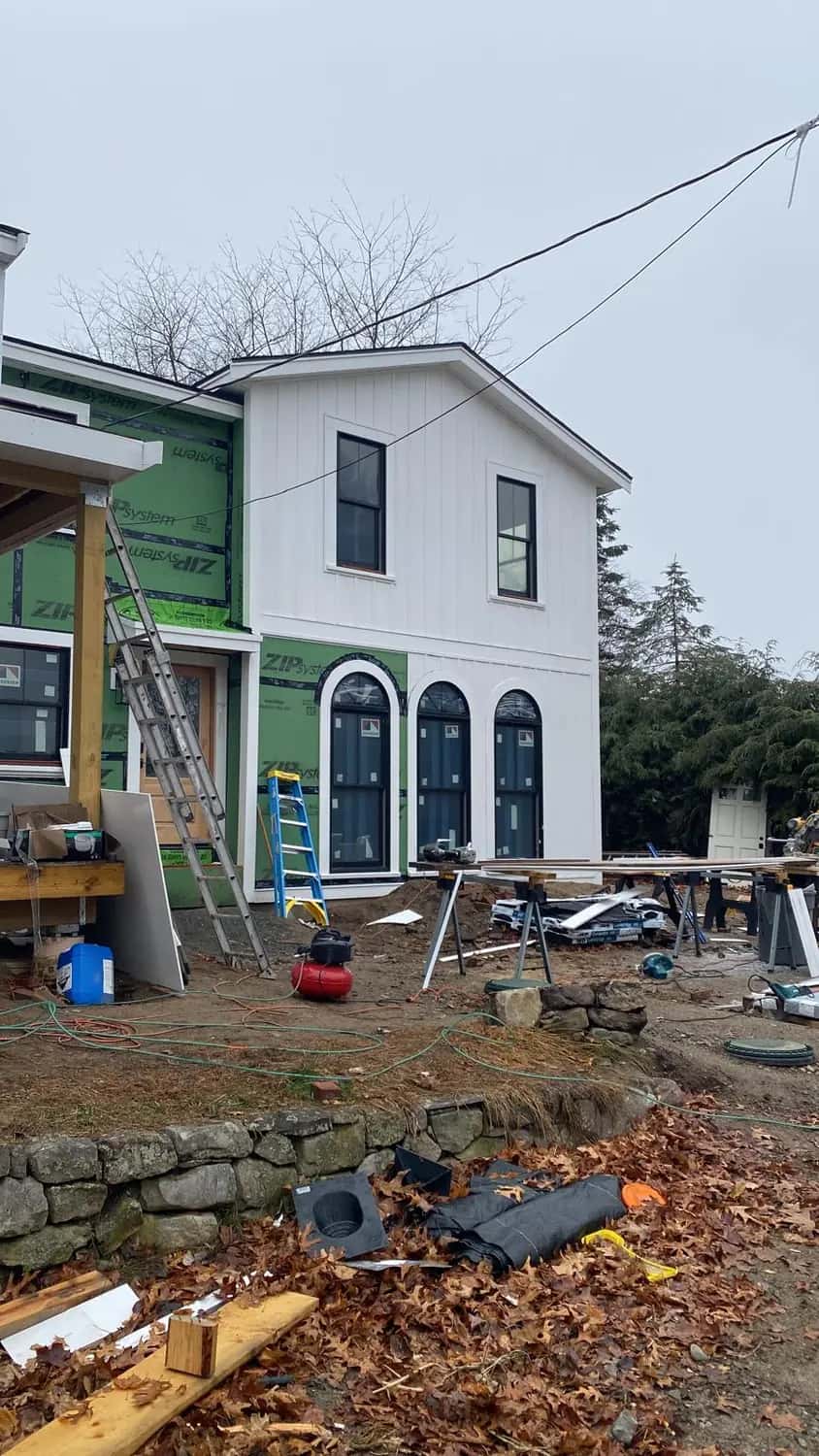
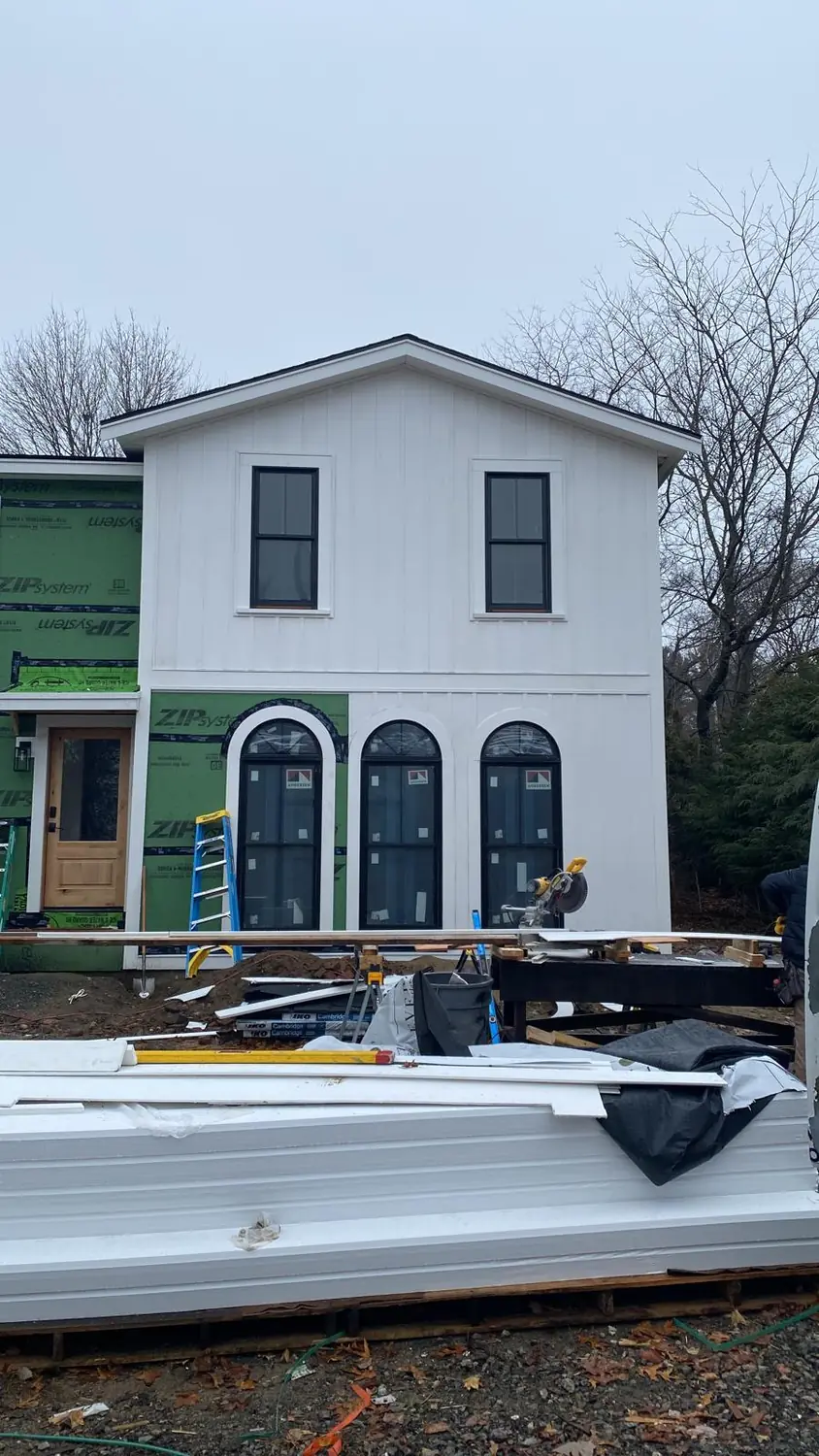
On our Lynnfield addition and exterior project, the new addition got white vertical siding and the main house's second floor got white lap siding, two profiles on one house.
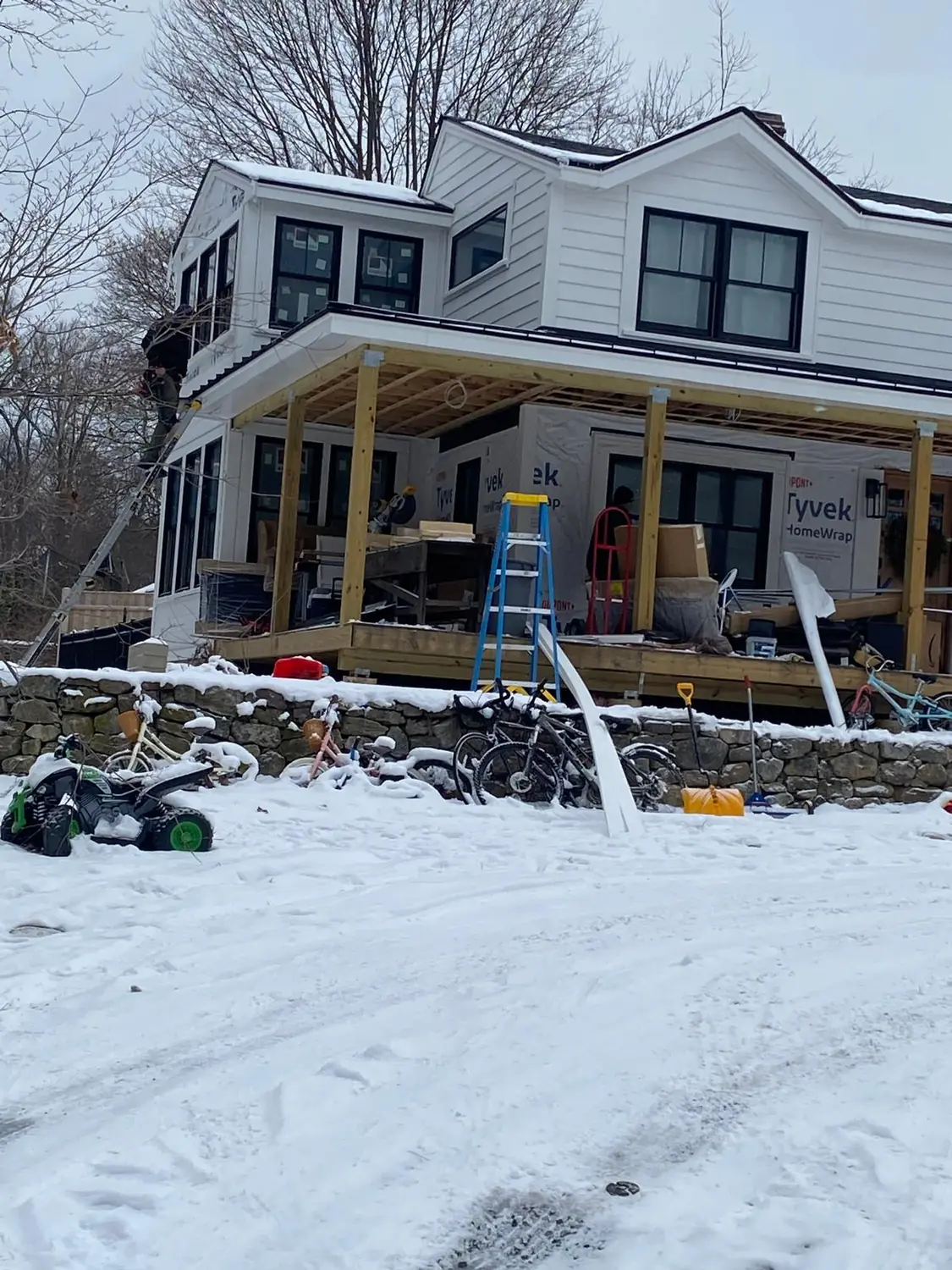
We install vinyl, fiber-cement and engineered-wood siding through our siding service, including siding work in Lynnfield. If your house was built before 1978, read the lead-safe section of our siding signs guide, and see our siding replacement cost guide for what changes the price.
Frequently asked questions
Is fiber-cement siding worth it in Massachusetts?
For owners staying long-term, often yes. In the 2025 Cost vs. Value data for New England, fiber cement cost $20,678 for about 1,250 sq ft and recouped 144.9% at resale, versus $17,590 and 92.7% for vinyl.
Does vinyl siding crack in the cold?
Vinyl becomes more brittle in deep cold, so a hard impact on a cold day can crack it. Correct installation that lets it move also prevents buckling.
Which siding needs less maintenance?
Vinyl. It never needs paint, only occasional washing. Fiber cement needs repainting over the years.
Sources
- Remodeling 2025 Cost vs. Value Report: New England (JLC / Zonda Media)
- Cost vs. Value report data, free download (costvsvalue.com)
- Mass.gov: Lead-safe renovation for contractors (454 CMR 22.00)
Laws, codes and program rules change. This guide is general information, not legal advice; confirm the rules for your project with your town's building department or the state agency linked above.