There is a persistent myth that remodelling is an investment. Most of it is not — the industry's own annual study finds the majority of projects return less than they cost. What follows is what the New England regional data actually shows.
The pattern the data shows
Two things stand out in the New England numbers, and both run against what homeowners expect.
First, the biggest returns are on small exterior projects. Garage door replacement has been reported recouping around 268% of its cost in New England — more than double the outlay. Second, the worst returns are on the largest interior projects: a primary bedroom suite addition has been reported returning roughly 18%.
The reason is curb appeal and buyer psychology. Exterior work is what a buyer sees before they form an opinion, and it is cheap relative to its visual impact. A luxury interior addition is expensive, and the next owner may not value the same thing you did.
1. Exterior work that a buyer sees first
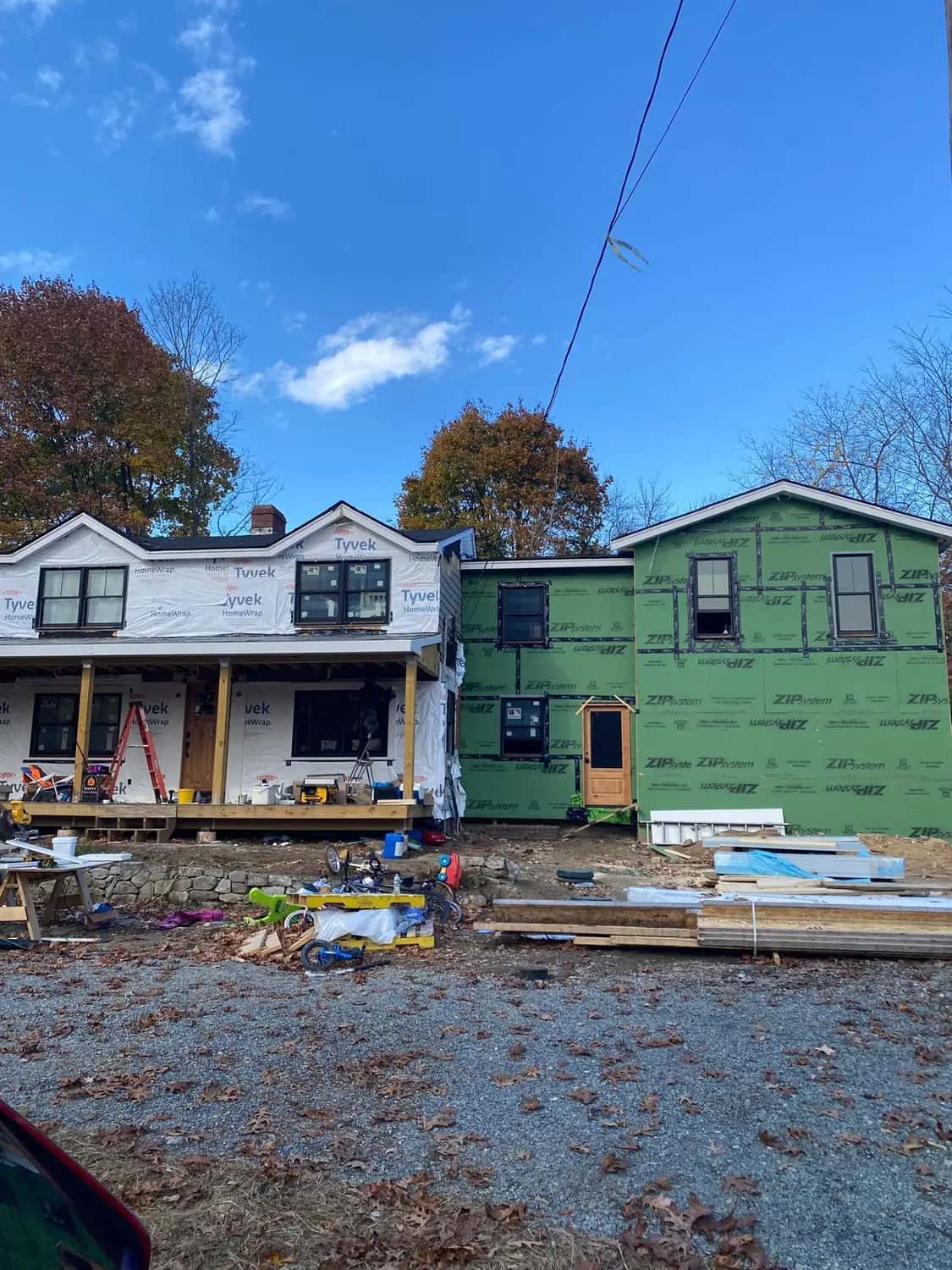
Garage doors, entry doors, siding and a clean roofline consistently outperform interior work at resale. They are comparatively cheap, they change the photograph the listing leads with, and they signal a maintained house before anyone walks in.
If your house is going on the market within two years and you have one budget, this is where it goes — siding and windows and doors especially.
2. A minor kitchen remodel — not a major one
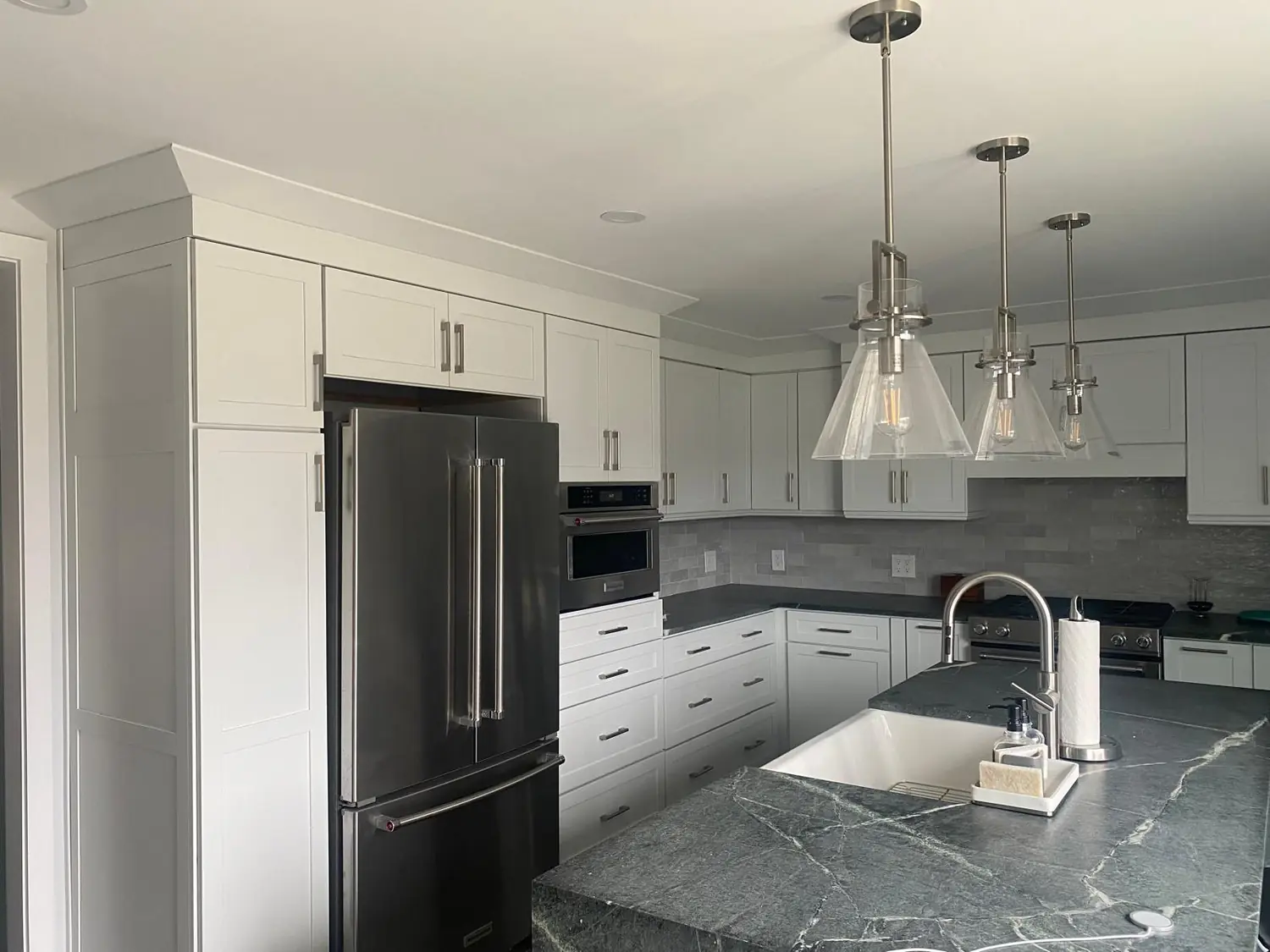
The distinction matters more than any other on this list. A minor kitchen remodel — keeping the layout, replacing surfaces, doors, hardware and appliances — returns well. A major one that moves plumbing and installs custom cabinetry does not return proportionally, because you cannot recoup a custom choice from a buyer who did not make it.
If resale is the goal, resist the layout change. If you are staying, do what you want — that is enjoyment spending, and it is a perfectly good reason.
3. A bathroom that no longer dates the house
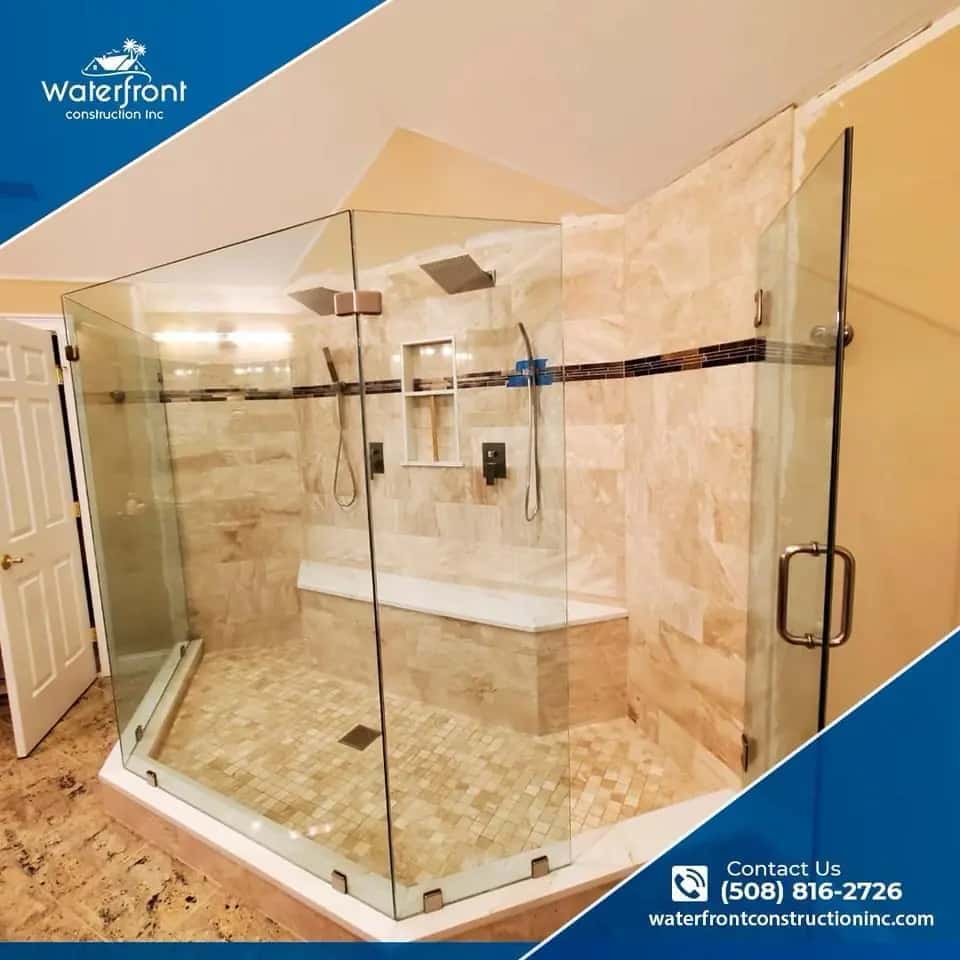
Buyers forgive a dated kitchen more readily than a dated bathroom. A mid-range bathroom remodel — new tile, vanity, fixtures, proper waterproofing, keeping the plumbing where it is — is one of the more reliable returns.
The failure mode here is over-specifying. A heated floor and a frameless steam enclosure are lovely and will not come back at sale.
4. Converting space you already have
Finishing a basement or an attic adds usable square footage without a foundation, a roof or an addition's price tag. In older Massachusetts housing stock there is frequently more of this space than owners realise.
The caveat is that it must be done properly — egress, headroom, moisture control and insulation to code. Unpermitted finished space is worth less than nothing at sale, because the buyer's inspector will find it.
5. The envelope: windows, insulation, and keeping water out
This is the least exciting item and the one that protects everything else. It rarely shows up as a headline return, but failed windows, wet insulation and water getting into a wall destroy value quietly and continuously.
Think of it as the work that prevents losses rather than the work that creates gains. On a New England house, that is where a great deal of the real money is.
What tends not to pay for itself
- Primary bedroom suite additions — the lowest reported return in the region.
- Upscale kitchen remodels with custom cabinetry, where you are buying your own taste.
- Swimming pools, which narrow the buyer pool in a cold climate as often as they widen it.
- Anything that removes a bedroom to enlarge another room.
- Highly personal finishes — bold tile, unusual layouts, built-ins sized to your furniture.
The honest framing
Almost no remodel returns 100%. That is not an argument against remodelling — it is an argument for being clear about which reason you are spending for. Work you will enjoy for ten years does not need to justify itself at resale. Work you are doing purely to sell should stay on the exterior and stay modest.
Where homeowners get hurt is spending like it is an investment and choosing like it is enjoyment.
Remodel for the years you will live there. Sell on the exterior.
Where these figures come from
- Remodeling 2025 Cost vs. Value Report — New England (JLC)
- Boston.com — Remodeling for resale: what adds the most value
Published market data for Massachusetts and Greater Boston, not Waterfront Construction pricing. Your own project is quoted from a site visit — get a free estimate.
Frequently asked questions
What home improvement has the best return on investment?+
Kitchen and bathroom updates, new siding, and adding usable space (decks, additions) consistently return a strong share of their cost while improving daily life — especially in older MetroWest homes.
Does a deck add home value?+
Yes — a well-built deck adds usable outdoor living space and is one of the more cost-effective ways to boost appeal and resale value in New England.
Is a kitchen or bathroom remodel the better investment?+
Both are strong. Kitchens have the biggest 'wow' and daily impact; bathrooms are lower cost per project and high-impact, especially in older homes. Many owners do them in that order.
Kitchen Remodeling in Northborough & MetroWest, MA →
The room your family actually lives in, and the one that moves your home's value most — designed and built around how you really cook.
See our kitchen remodeling services →Want this priced for your house?
The figures above are regional market estimates. The only number that means anything is the one measured at your address — and that costs you nothing.
- ✓ Free, no-obligation estimate — itemised, not a lump sum
- ✓ Licensed & insured · MA HIC #196540
- ✓ Owner-led — you talk to the builder, not a salesperson
- ✓ We reply within one business day
Get your free estimate
Tell us about your project.