No single figure fits every home addition, and this guide doesn't quote one: the size, the foundation, the site and how the new space ties into the house vary too much. In Massachusetts, foundation work, zoning, septic rules, wetlands review and engineering are the biggest swing factors. An itemized estimate based on your plans is the dependable number.
Is there a typical cost for a home addition in New England?
Not one you can rely on for your house. This guide doesn't quote a dollar figure for additions. Remodeling magazine's Cost vs. Value report does price standard bathroom and primary-suite additions for New England, and the full New England data is free at costvsvalue.com, but an addition's real cost depends on its size, foundation, plans and site far more than on a regional average.
Even a small addition costs more than its size suggests. Every new room needs its own foundation, framing, roof, insulation, windows, plumbing, electrical work and finishes, and it has to be tied into the existing house. Those fixed costs don't shrink much as the room gets smaller.
We don't publish our own price ranges for additions either. Each one is priced from its plans after a site visit, with an itemized estimate. The sections below cover what moves that number in Massachusetts.
Is it cheaper to build out or build up?
It depends on the house. Building out needs a new foundation: excavation, footings below the frost line and foundation walls or piers, and it uses yard space that zoning setbacks may limit. Building up avoids a new foundation, but the existing walls and foundation have to carry the new floor, which usually means an engineer's review and often reinforcement, and the roof comes off during construction.
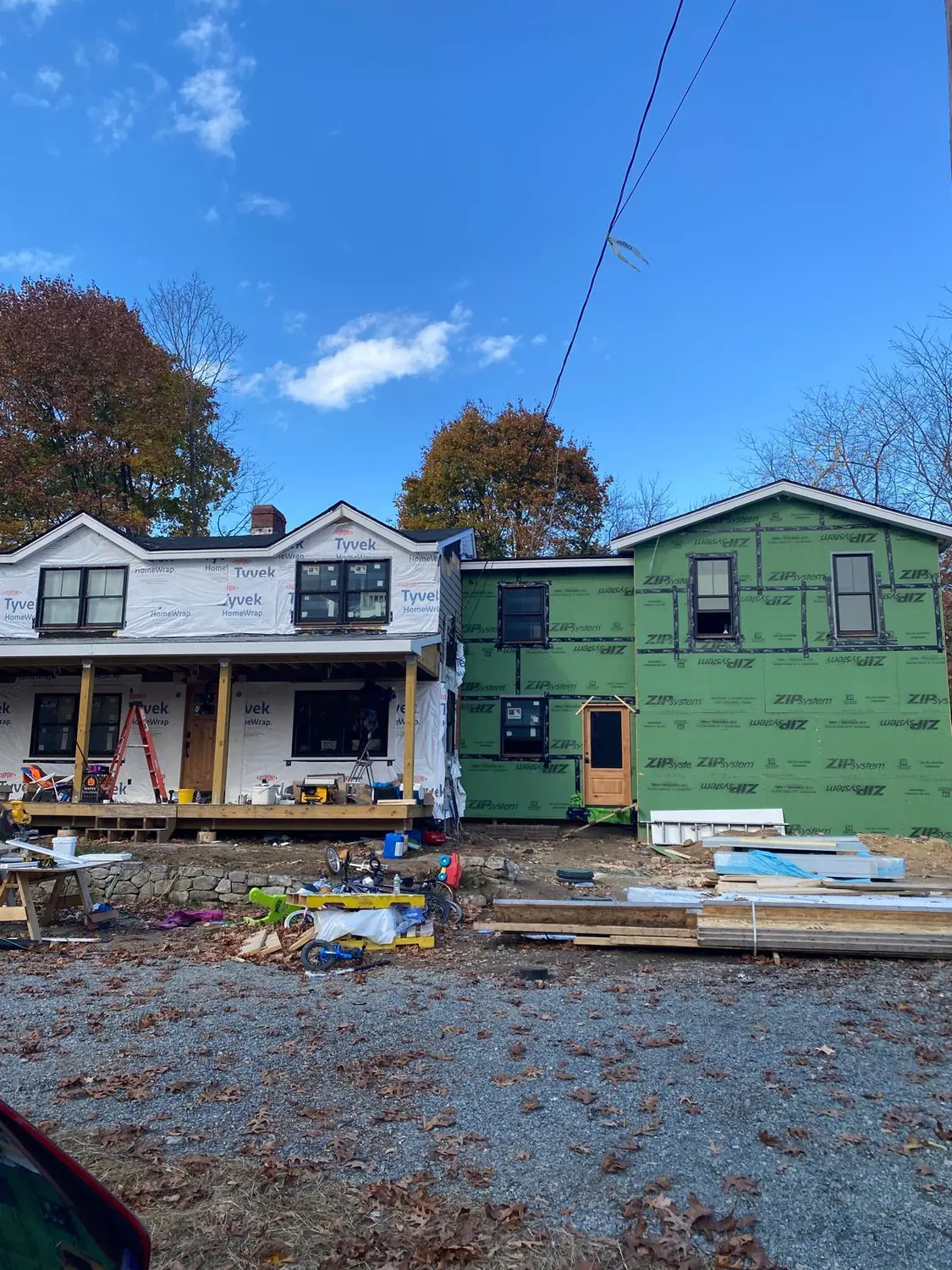
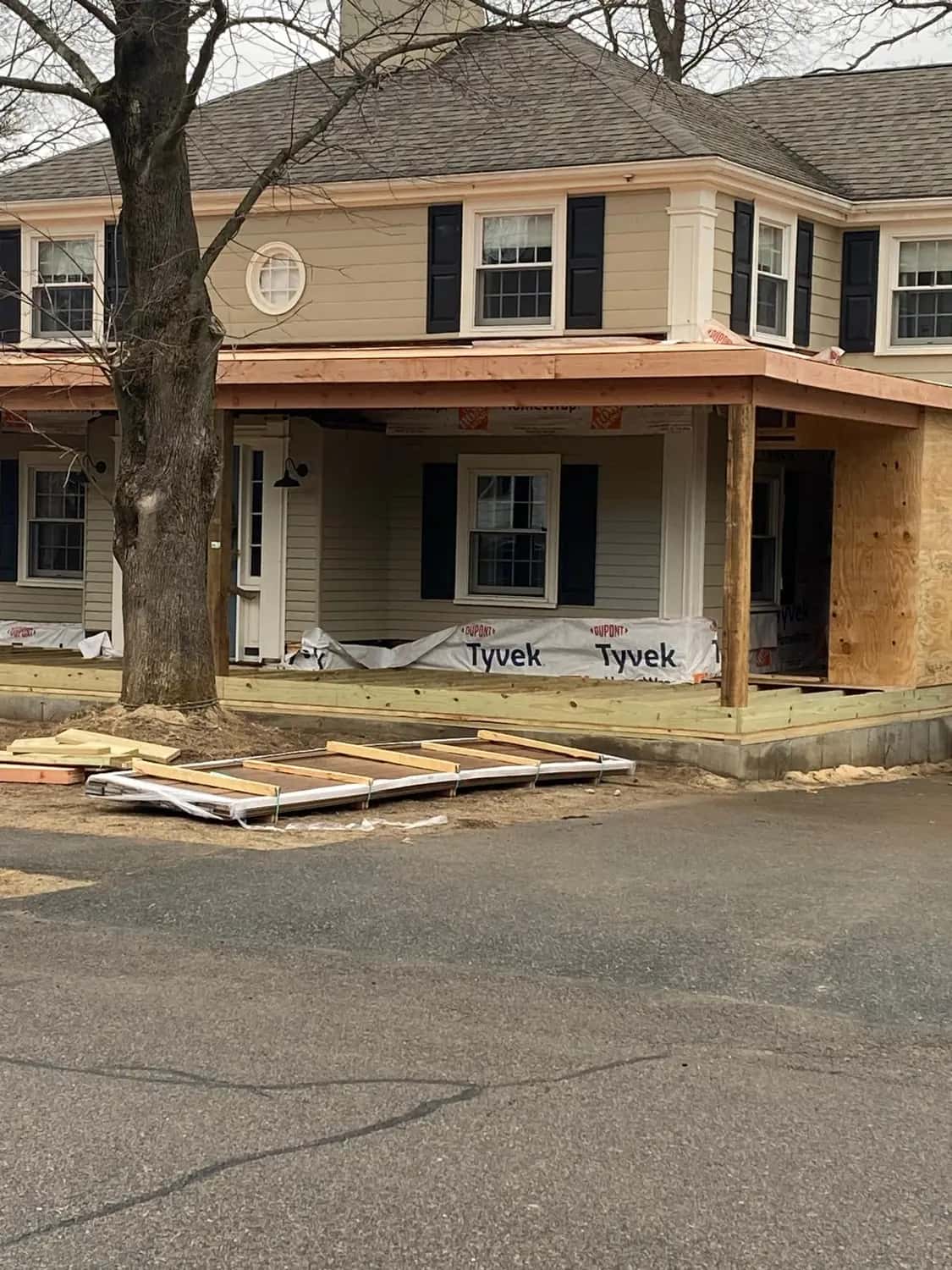
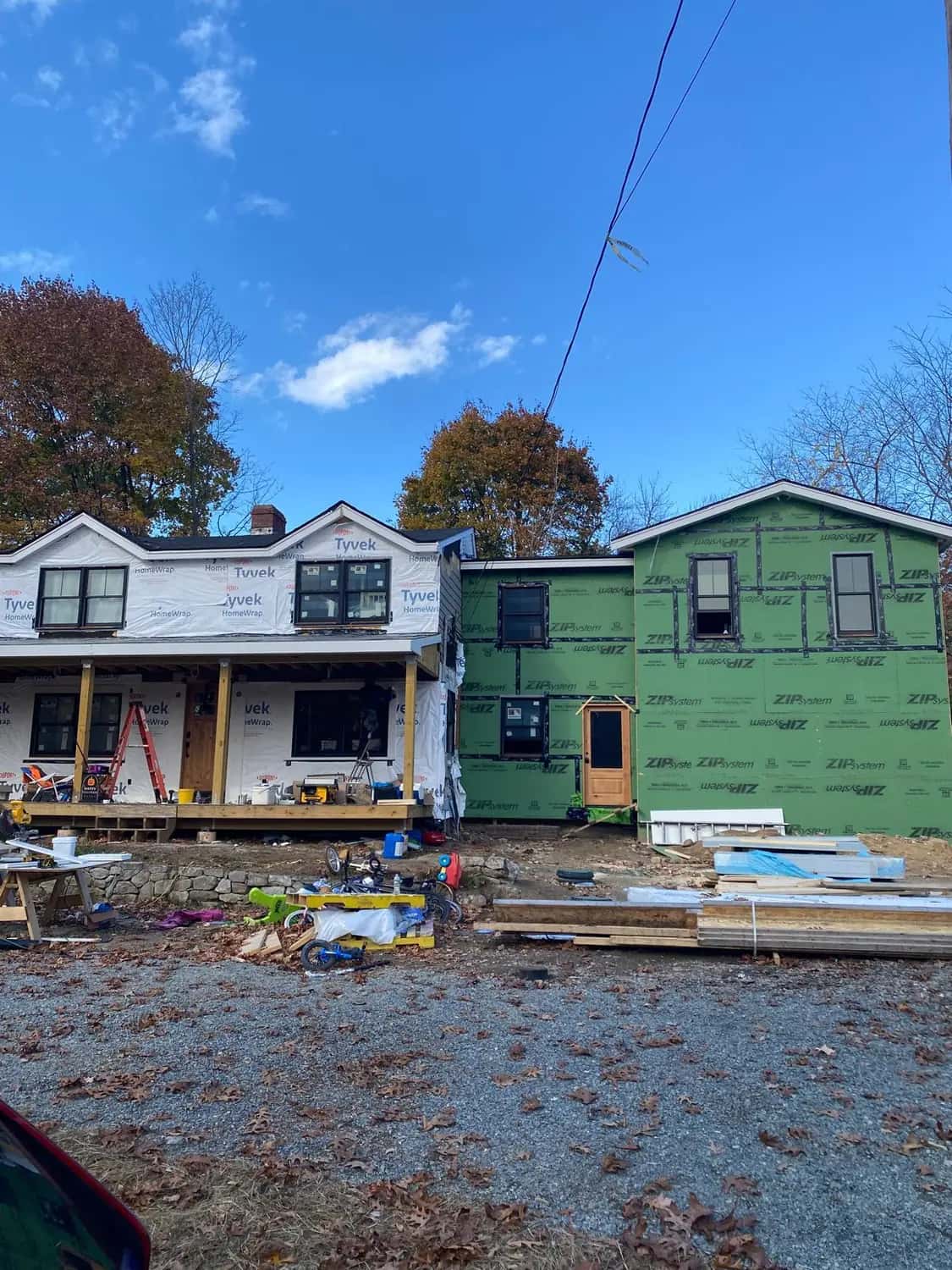
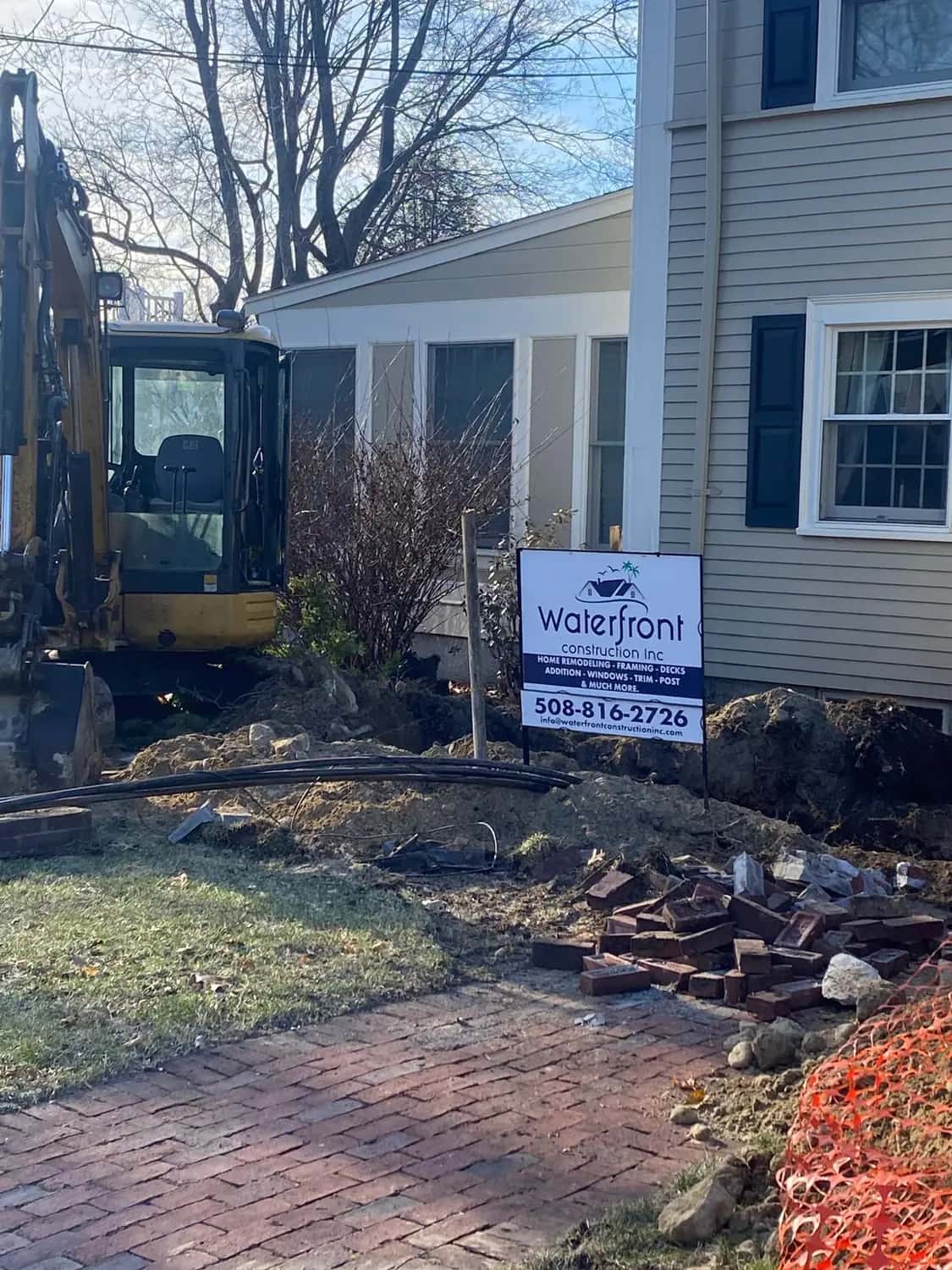
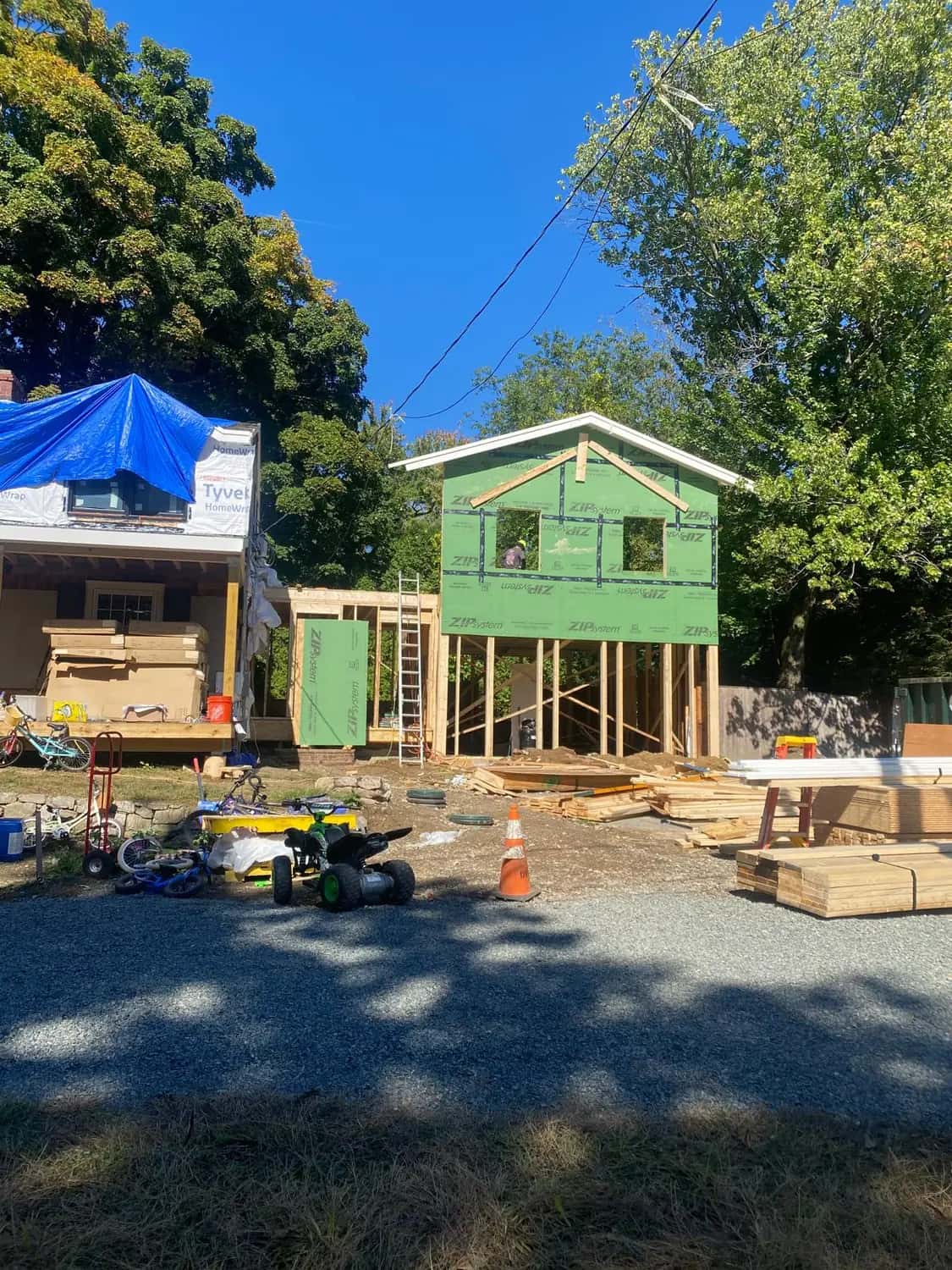
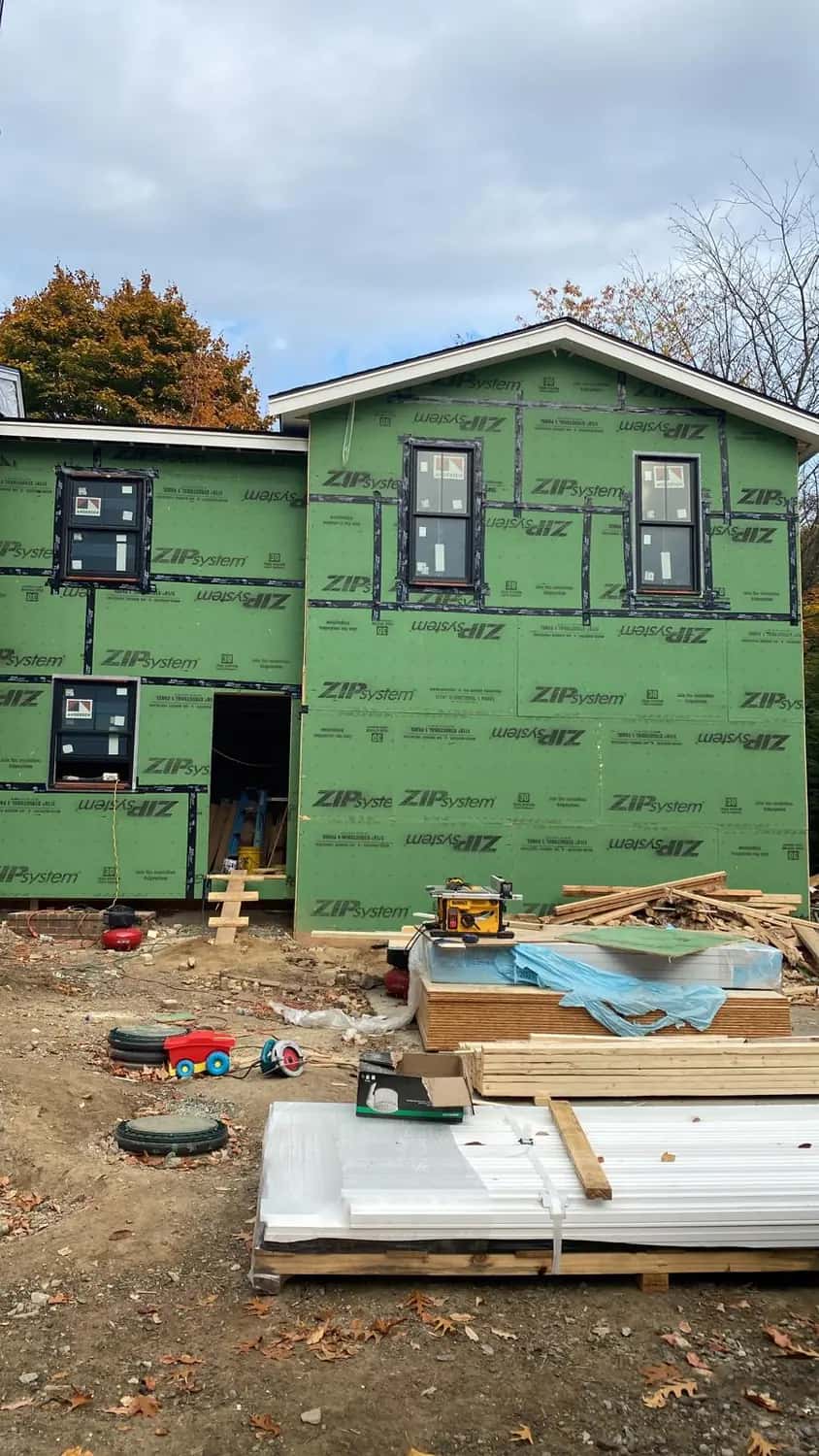
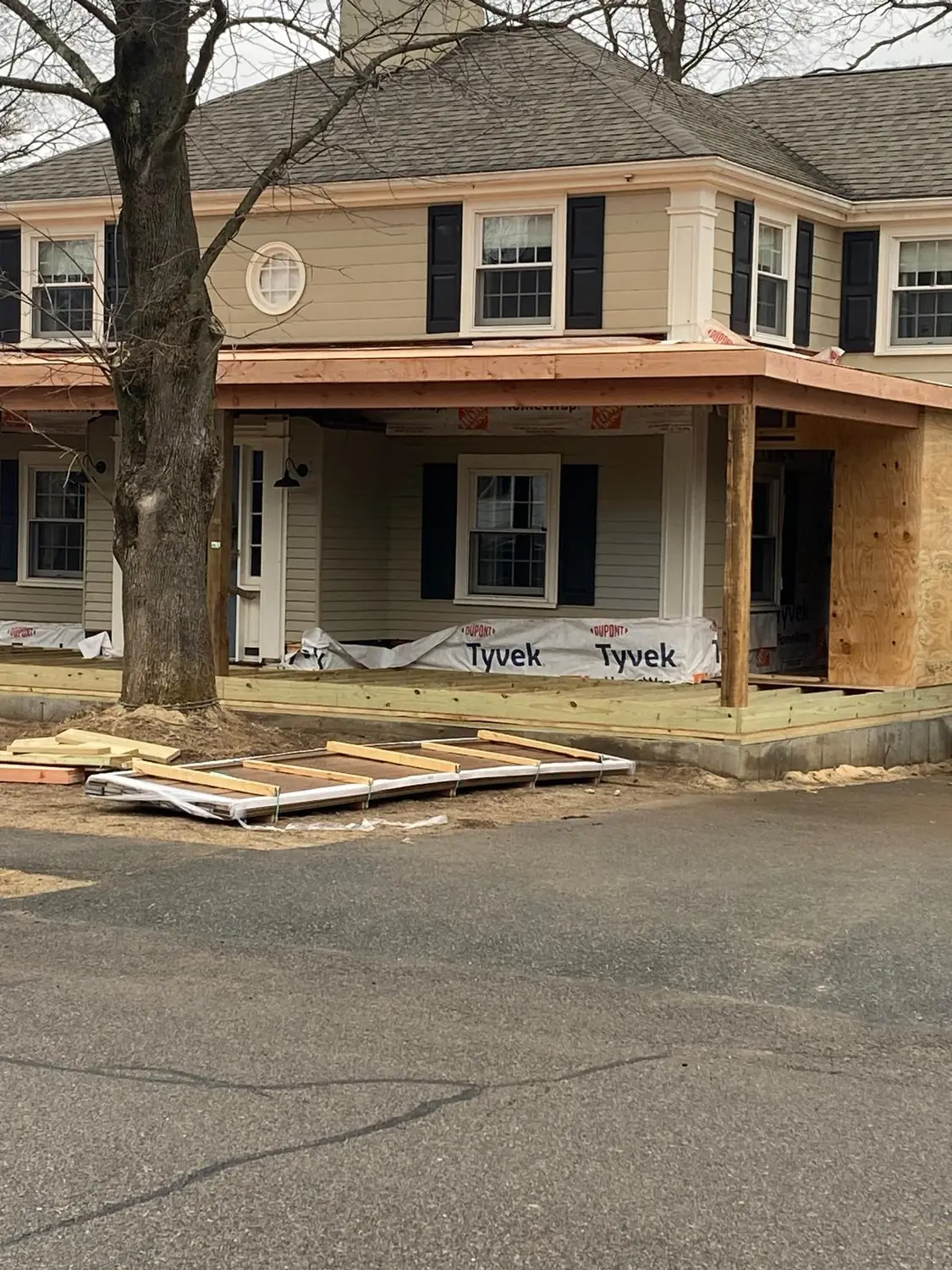
Our projects show what building out involves: the Needham addition is documented from the excavation to the framed porch, and the Lynnfield addition and exterior project added a two-story addition beside the original house.
What Massachusetts-specific costs should you budget for?
- Zoning: setbacks, lot coverage and height limits decide where and how big you can build. If your house doesn't meet current zoning (a pre-existing nonconforming house), an addition may need a finding or special permit from the zoning board under M.G.L. c.40A §6.
- Septic (Title 5): if the house is on a septic system, adding a bedroom can trigger Board of Health review under 310 CMR 15.00, and sometimes a septic upgrade.
- Wetlands: work near wetlands, streams or rivers may need Conservation Commission approval under the state Wetlands Protection Act, commonly within 100 feet of a wetland or 200 feet of a river.
- Energy code: additions must meet the state energy code, and many towns have adopted the stretch or specialized energy code, which adds requirements.
- Plans and engineering: most additions need permit drawings, plus structural engineering for beams, foundations or a second story.
- Trade permits: plumbing, gas and electrical work need separate permits pulled by licensed tradespeople.
- Historic districts: in a local historic district, exterior changes need the historic commission's approval.
Contract rules apply to the money side. Massachusetts requires a written contract for home improvement work over $1,000 on an owner-occupied home. The deposit can't be more than one-third of the total price, or the cost of special-order materials if that is greater. On a large addition, that limit shapes the payment schedule.
The items above vary by town and by lot, so check them with your building department and zoning office early. Approvals can add weeks or months before construction starts. Our permit guide covers the permit side in more detail.
Free estimate
Tell us about your project
Free and no-obligation. Prefer to talk? Call (508) 816-2726 (Mon–Sat, 7am–6pm).
- Itemized estimates
- 500+ projects completed
- Insured
How long does a home addition take?
Larger additions typically take 2 to 4 months of construction after design and permits. Design, engineering and any zoning or Conservation Commission approvals come first and can add weeks to months.
Is adding on cheaper than moving?
Sometimes, but not always, and money is only part of it. Put both options on paper before deciding:
- Moving: agent commission, the Massachusetts deed excise tax (customarily paid by the seller), closing costs on the new house, moving costs, and the price difference between your house and a bigger one in the area you want.
- Adding on: design and engineering, permits and approvals, construction, possible changes to your property tax assessment, and living with construction for several months.
At resale, additions rarely pay for themselves: in the Cost vs. Value data, additions recoup a smaller share of their cost than smaller projects such as new siding or a minor kitchen remodel (see our resale value guide). An addition makes the most sense when you plan to stay and the extra space changes how you live.
What addition projects have we documented?
- Home addition in Needham, MA: a front porch addition documented from the excavation to the framed porch posts and roof.
- Home addition and exterior remodel in Lynnfield, MA: a two-story addition beside the original house, with new windows and siding and front porch work.
- Home addition framing in Lynnfield, MA: an addition filmed in winter while its walls and roof were framed and sheathed.
We build home additions in Needham, in Lynnfield and across our service area. A client in Northborough, where we're based, shared this about their deck and small addition:
“They built our deck and a small addition. Great communication the whole way. Exactly what you want in a contractor.”
See our home additions service for how we plan and build additions.
Frequently asked questions
Do I need an architect for a home addition in Massachusetts?
You need drawings good enough for a building permit, and often a structural engineer for foundations, beams or a second story. Ask your building department what it requires for your project before you hire a designer.
Can we live at home during an addition?
Often, yes. Much of the work happens outside the existing rooms until the new space is tied in. Expect noise, short utility shutoffs and a stretch when the opening between old and new is made. Second-story additions are harder to live through because the roof comes off.
Does an addition raise property taxes?
Usually, because it raises the assessed value of the house. Your town's assessor can explain how improvements are assessed.
Do additions pay for themselves at resale?
Rarely. In the 2025 Cost vs. Value data for New England, additions recoup a smaller share of their cost at resale than smaller projects such as new siding or a minor kitchen remodel. An addition makes the most sense when you plan to stay.
Sources
- Remodeling 2025 Cost vs. Value Report: New England (JLC / Zonda Media)
- Cost vs. Value report data, free download (costvsvalue.com)
- Mass.gov: Home improvement contract requirements, details and sample language
- M.G.L. c.142A §2: requirements for home improvement contracts
Laws, codes and program rules change. This guide is general information, not legal advice; confirm the rules for your project with your town's building department or the state agency linked above.