It's usually time to replace a window when the frame or sill is rotting, the sash won't open, stay up or lock, or several sealed units have fogged between the panes. A single fogged unit can often be fixed by replacing just the glass. In Massachusetts, replacement windows generally need a building permit, and pre-1978 homes need lead-safe work.
What are the signs your windows need replacing?
- Rot in the frame or sill. Probe the sill and the bottom of the frame. Small soft spots can often be repaired; rot that runs through the frame usually means replacement.
- Fog between the panes. Fog or film you can't wipe off means the seal of an insulated glass unit has failed. One unit can often be fixed with new glass; many failed units in old frames point to replacement.
- Sashes that stick, won't stay up or won't lock. Broken balances, cords and locks are often repairable. Warped sashes or frames that keep binding usually aren't worth the labor.
- Drafts you can feel. First check the weatherstripping and the seal between the frame and the wall; both are cheaper to fix. Drafts through single-pane or worn units are a reason to replace.
- Heavy condensation or ice on the inside. It points to cold glass and high indoor humidity. Better glass helps, and so does controlling humidity.
- Water stains below the window or rotted trim. Water is getting in around the unit. Replacement is the time to flash the opening properly.
Should you repair or replace a window?
| Problem | Often repairable? | When replacement makes sense |
|---|---|---|
| One fogged glass unit | Yes: replace the glass unit | Many units fogged, or the frame is failing too |
| Broken balance, cord or lock | Yes: replace the hardware | Parts aren't available, or the sash is warped |
| Soft spot on the sill | Often, with a repair or a new sill | Rot runs through the frame |
| Drafts | Often, with new weatherstripping and sealing | Single-pane or badly worn units |
What does window replacement cost in New England?
In the 2025 Cost vs. Value report, replacing ten 3-by-5-foot double-hung windows averaged $21,922 in vinyl and $27,226 in wood in New England. Our window replacement cost guide explains what changes the price.
Will new windows lower your energy bills?
New windows can make rooms noticeably more comfortable and reduce drafts and condensation. Energy savings depend on what you're replacing and how well the new units are installed and sealed, so we don't promise a payback period.
The federal Energy Efficient Home Improvement Credit (Section 25C), which covered qualifying windows, ended for property placed in service after December 31, 2025, so windows installed in 2026 don't qualify for it.
Free estimate
Tell us about your project
Free and no-obligation. Prefer to talk? Call (508) 816-2726 (Mon–Sat, 7am–6pm).
- Itemized estimates
- 500+ projects completed
- Insured
What's the difference between insert and full-frame replacement?
- Insert (pocket) replacement: a new unit fits inside the existing frame. Interior trim and siding stay in place, it costs less, and the glass area gets slightly smaller. It suits sound, square frames.
- Full-frame replacement: the old window comes out down to the rough opening. It allows rot repair, new flashing and insulation around the unit, and it's the better choice when the frame or sill is damaged.
Do you need a permit to replace windows in Massachusetts?
Usually, yes. Most Massachusetts towns require a building permit for replacement windows, often a short-form permit taken out by a Construction Supervisor License holder. New units must meet the energy code, a replacement in a bedroom's emergency escape opening must not make that opening smaller, and glass near doors, tubs and stairs must be safety glass. In a local historic district, visible changes may need the commission's approval. See the windows section of our permit guide.
What if your house was built before 1978?
Replacing even one window in a pre-1978 home falls under the lead-safe rules, however little painted surface it disturbs: in Massachusetts the company doing it needs a Lead-Safe Renovation Contractor license, and in New Hampshire the federal EPA renovation rule applies. See lead-safe rules for pre-1978 homes.
What does a window installation look like on a real project?
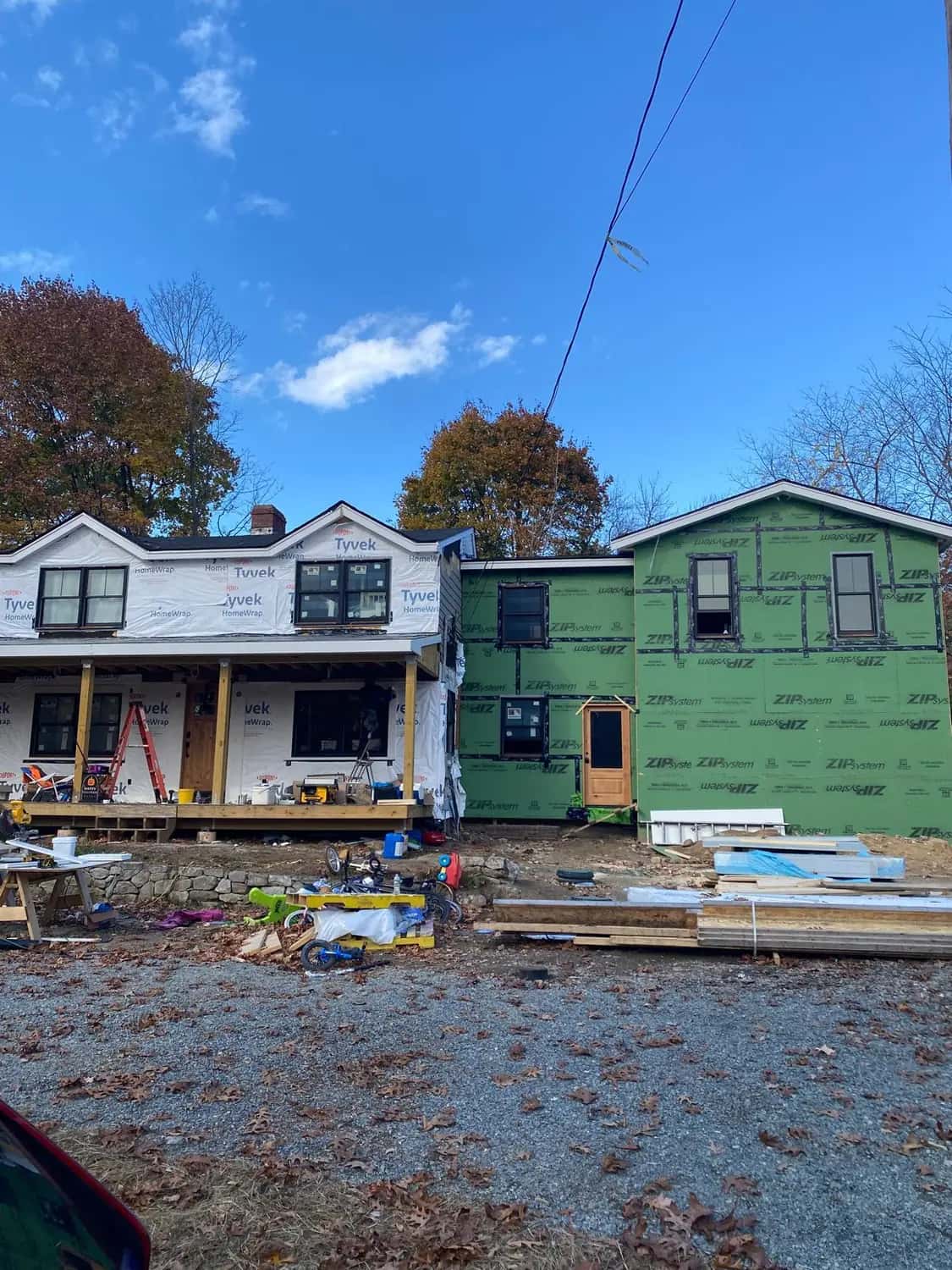
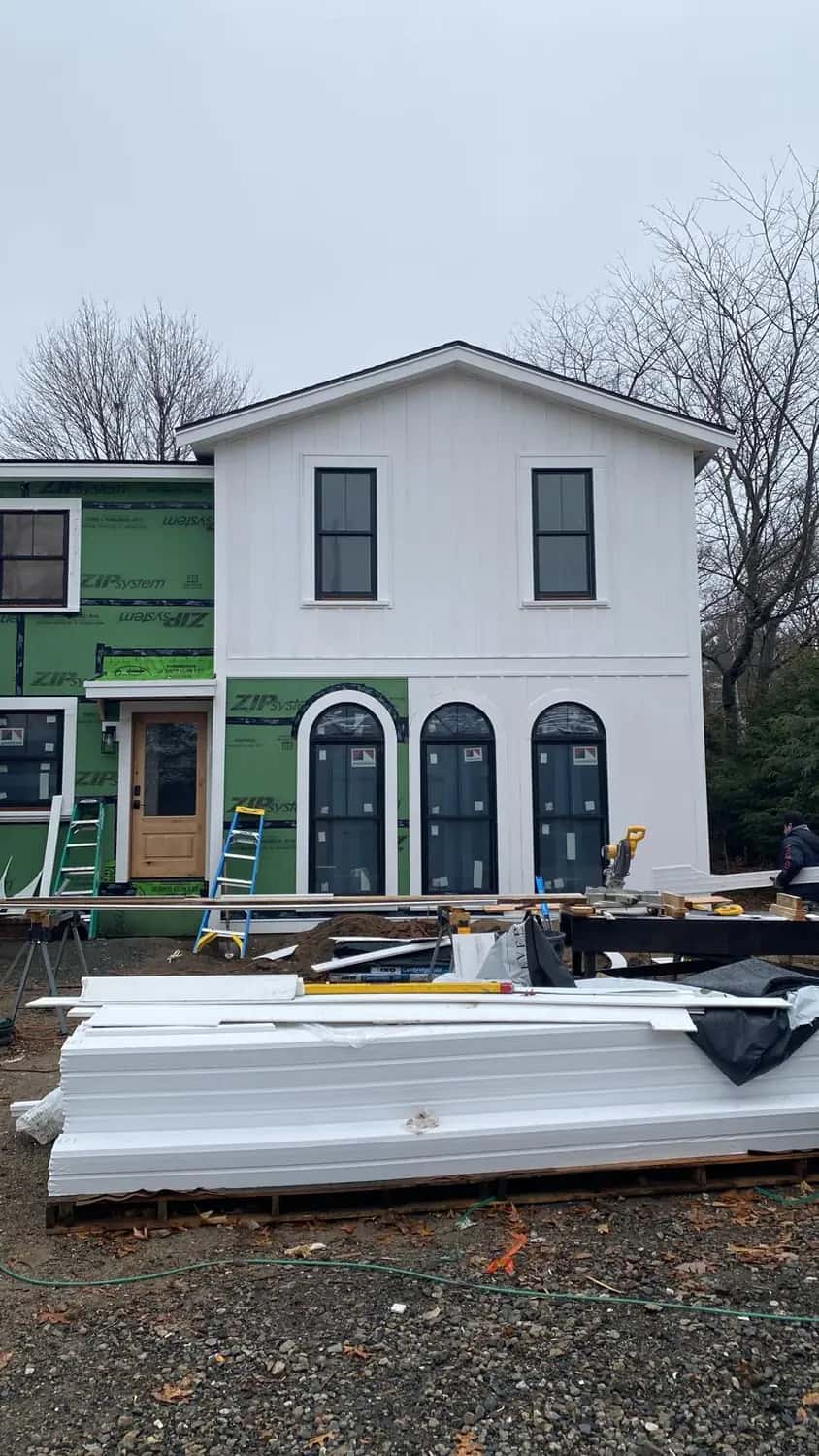
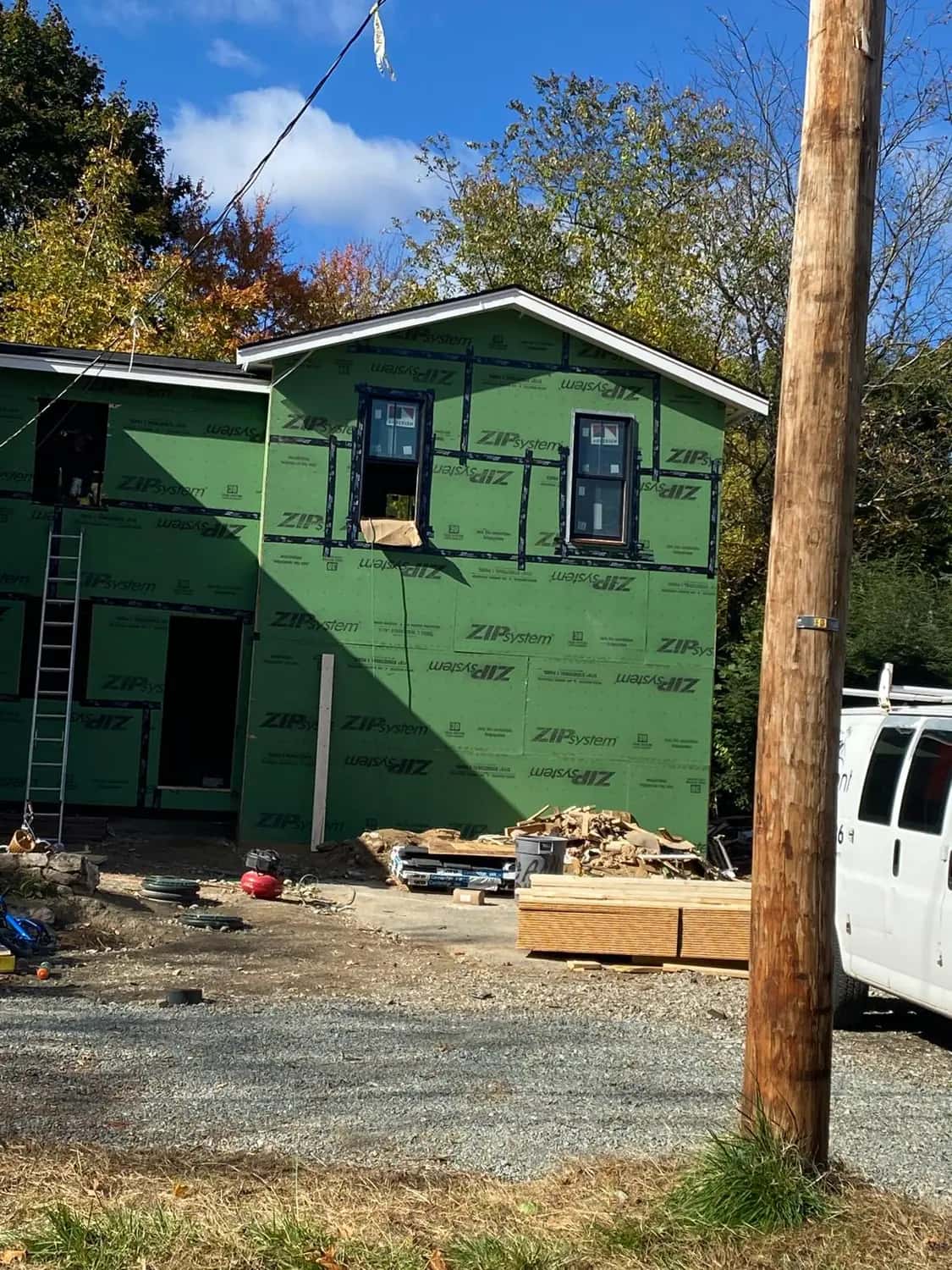
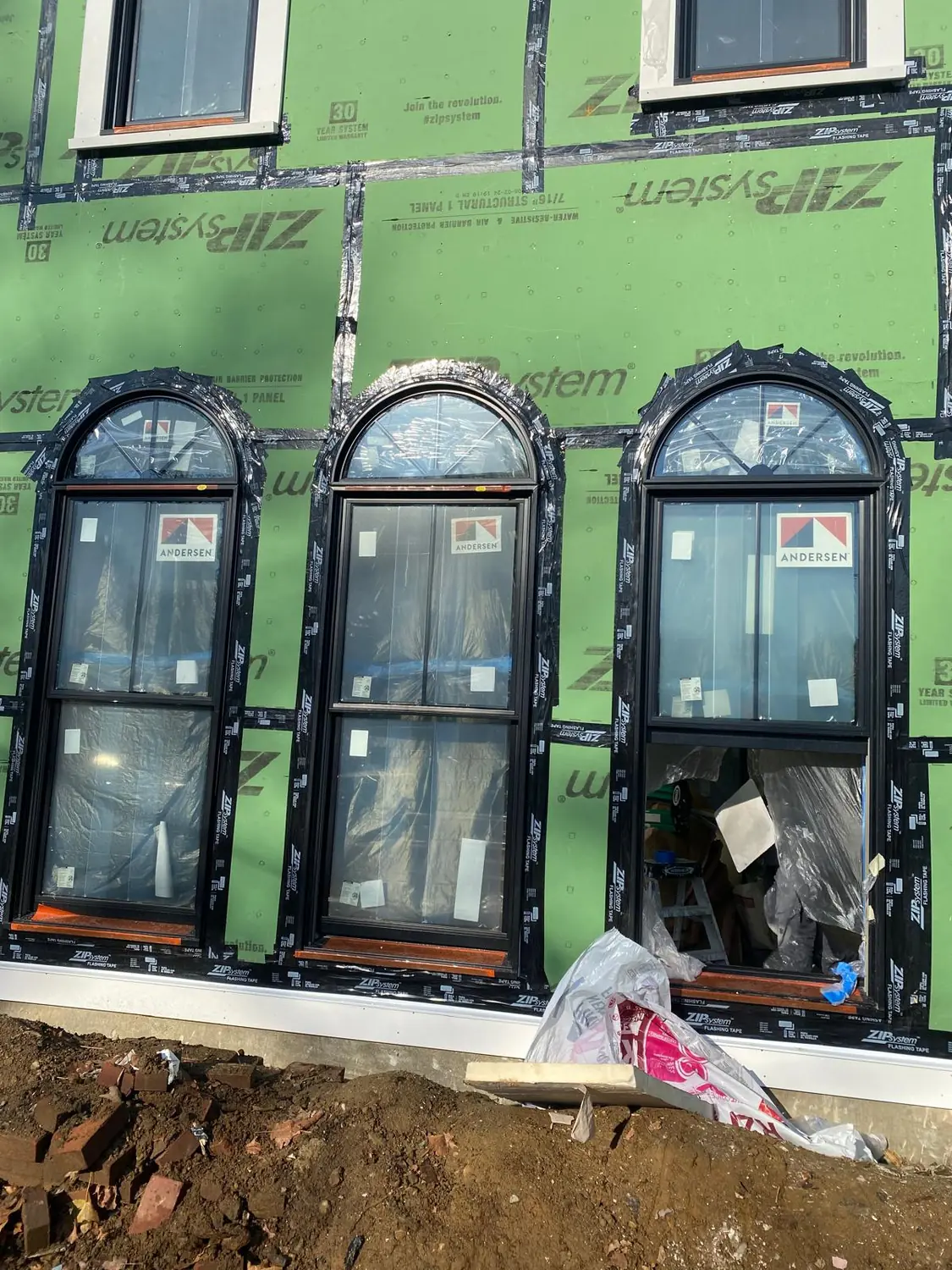
On our Lynnfield addition and exterior project, three arched windows went into the taped sheathing of the new addition before trim and siding (photo at the top). We do window work in Lynnfield and across our service area; see our window replacement service.
Frequently asked questions
Can I replace just the fogged glass instead of the whole window?
Often, yes. If the frame and sash are sound, a new insulated glass unit can be made to fit, which costs much less than a new window.
How long does window replacement take?
Most window replacements take 1 to 3 days of installation, depending on the number of openings. Ordering made-to-size windows adds lead time before that.
Are new windows eligible for a federal tax credit in 2026?
No. The Section 25C Energy Efficient Home Improvement Credit ended for property placed in service after December 31, 2025.
Do replacement windows need a permit in Massachusetts?
Usually, yes: most towns require a building permit for replacement windows, often a short-form permit.
Sources
- Remodeling 2025 Cost vs. Value Report: New England (JLC / Zonda Media)
- Cost vs. Value report data, free download (costvsvalue.com)
- Mass.gov: Lead-safe renovation for contractors (454 CMR 22.00)
Laws, codes and program rules change. This guide is general information, not legal advice; confirm the rules for your project with your town's building department or the state agency linked above.