
Budgets rarely go over for mysterious reasons. There are four causes, they are all predictable, and three of them are decided before the first day of work.
1. Allowances that were never real numbers
An allowance is a placeholder: a line that says 'tile — $3,000' before anyone has chosen tile. If the allowance was set low to make the quote competitive, the overrun is built into the contract on the day you sign it.
The fix is to price allowances against what you actually intend to buy. Walk a showroom before signing, note the products you like, and ask the contractor to set the allowance at that level. A quote with realistic allowances looks more expensive and ends up cheaper.
2. Conditions behind the walls
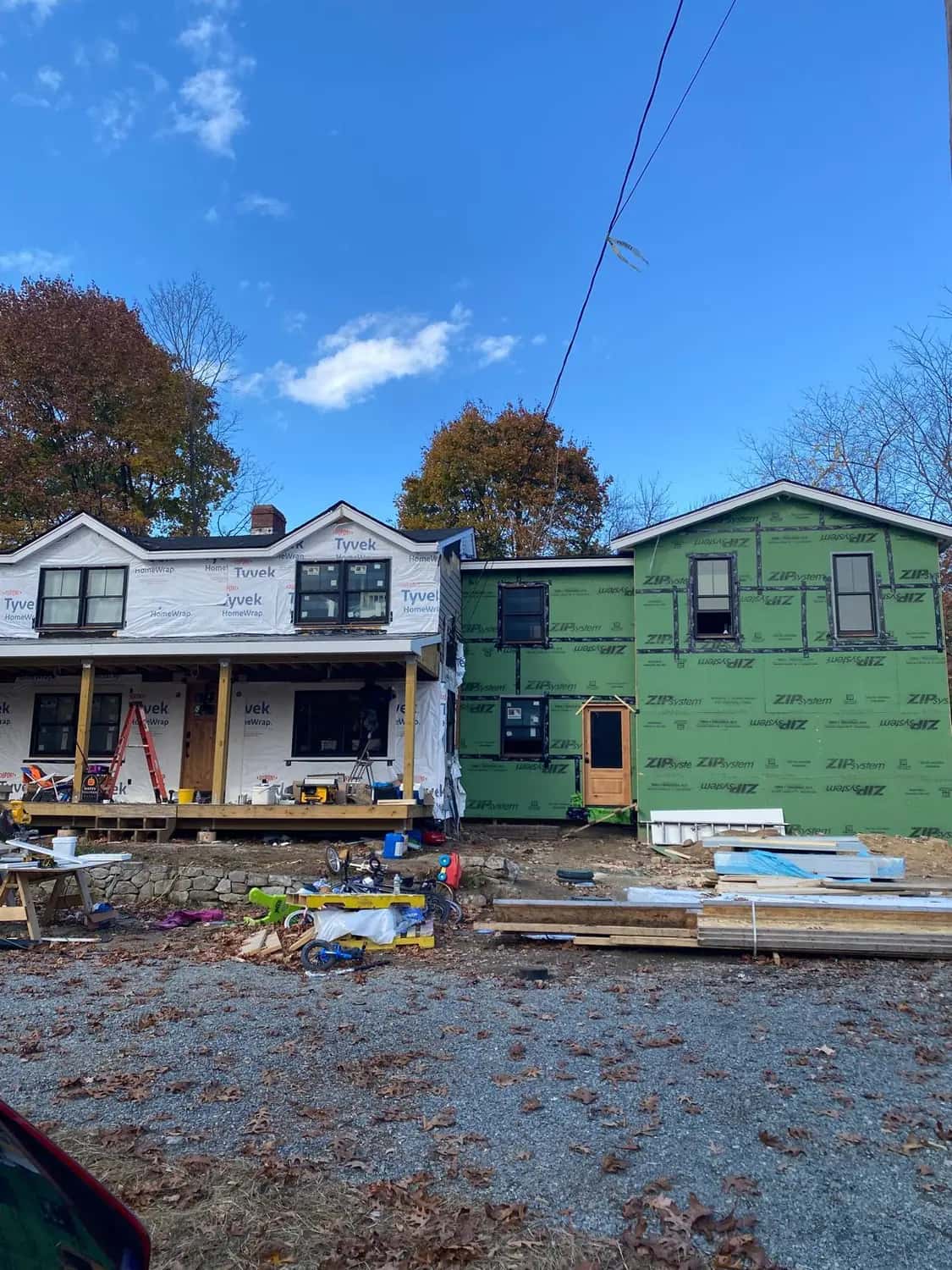
This is the honest one — the cause nobody can eliminate. In older Massachusetts housing stock, opening a wall regularly reveals wiring that must be replaced to pass inspection, waste lines that no longer meet code, rot around windows, or framing that was never sized for what it is now carrying.
It cannot be eliminated, but it can be anticipated. A contractor who has worked on houses of your home's age can tell you what they expect to find. Ask, and put a contingency of 10 to 20 percent behind the answer. Choosing the right contractor is most of this problem solved.
3. Changes you make mid-build
This is the largest cause and the one entirely within your control. Every change after work starts costs more than the same decision made before, because it undoes something already done and resequences every trade behind it.
Moving a light switch during framing costs almost nothing. Moving it after drywall costs the electrician, the drywaller, the painter and a delay for everyone waiting behind them.
Decide before demolition. A choice made on paper is the cheapest choice you will ever make.
4. Scope that grew without anyone deciding it should
The classic: while the kitchen is open, why not do the floor in the hall too? Each addition is individually reasonable and the total is 30 percent over budget.
Scope growth is not wrong — sometimes doing adjacent work while the site is open is genuinely efficient. What is wrong is letting it happen without a written price each time.
What a proper change order looks like
| Element | Why it matters |
|---|---|
| Description of the change | So there is no argument later about what was agreed |
| Price, itemised | Materials and labour separated, not a lump sum |
| Schedule impact in days | The hidden cost of most changes |
| Signed by both parties | Before the work happens, not with the final invoice |
Questions that surface the risk before you sign
- Which lines in this quote are allowances, and what product level is each one set at?
- What do you expect to find behind the walls in a house of this age?
- What is your process when something is found — who authorises the extra, and how is it priced?
- How are change orders documented, and are they priced before or after the work?
- What is not included in this quote that a homeowner commonly assumes is?
The contingency conversation
Plan a contingency of 10 to 20 percent on top of the contract — nearer 10 on newer construction and simple scopes, nearer 20 on anything pre-war or structural. Then treat it as money you expect to spend, not money you hope to keep.
Homeowners who budget a contingency describe their project as on budget. Homeowners who budget the contract price exactly describe the identical project as over budget. Same money, different expectation.
How we handle it
Itemised estimates rather than a lump sum, allowances set against products you have actually seen, an honest list of what we expect to find in a house of your age, and every change priced in writing before anything proceeds. Nothing quietly appears on the final invoice.
Frequently asked questions
How much contingency should I budget for a remodel?+
Ten to twenty percent above the contract price is normal, and the older the house the closer to twenty you should sit. A contractor who tells you no contingency is needed on a pre-1960 house has not opened many walls in one.
What is a change order?+
A written agreement that changes the scope, price or schedule of the contract after work has started. It should be signed by both parties before the work happens. Verbal change orders are how disputes start — insist on the written process before you sign anything.
What causes most budget overruns?+
Conditions found behind walls, selections made after the contract is signed, and scope that was never itemised in the first place. The first is unavoidable and should be priced as a contingency; the other two are planning failures.
Kitchen & Bathroom Remodeling in Northborough & MetroWest, MA →
The two rooms that sell your home and you use every day — beautiful kitchens and spa-like bathrooms, managed start to finish.
See our kitchen & bath remodeling services →Ready to start your project?
Free, no-obligation estimate — we reply within one business day.